FREE SHIPPING ON ORDERS OVER $60
Born of Fire: Volcanic Soil, Heavy Metals in Coffee, and Your Morning Cup
When it comes to sourcing premium specialty coffee, geography is everything. The most exceptional, flavorful, and naturally organic low acid coffee beans in the world are consistently grown at high altitudes in rich volcanic soils. These unique soils, known geologically as Andisols, act like nutrient sponges, holding onto vital minerals like iron and magnesium that naturally nourish the coffee tree.
However, volcanic ecosystems present a unique natural phenomenon that any health-conscious consumer should understand: they naturally contain trace heavy metals. Because coffee trees are highly efficient absorbers, their root systems draw up the natural mineral matrix of the earth around them.
As a family-owned roastery, we believe it is vital to educate consumers on the profound difference between naturally occurring earth minerals and synthetic chemical contamination. We don't guess when it comes to safety; we rely on independent testing to ensure purity.
Volcanic Soil Minerals vs. Synthetic Heavy Metals in Coffee
In conventional coffee agriculture, toxins and heavy metals are often introduced unnaturally through synthetic chemical fertilizers and pesticides. Choosing certified organic low acid coffee completely eliminates this toxic, man-made burden.
When a clean, organic crop shows trace elements in a laboratory test, it is not a sign of chemical runoff or pollution; it is a literal geological thumbprint of the region's untouched soil. To truly understand how these elements develop, we have to look at the distinct spectrum of "ancient, weathered" versus "fresh, active" volcanic earth.
Active, Fresh Volcanic Soil: Papua New Guinea (The Spring 2026 Crop)
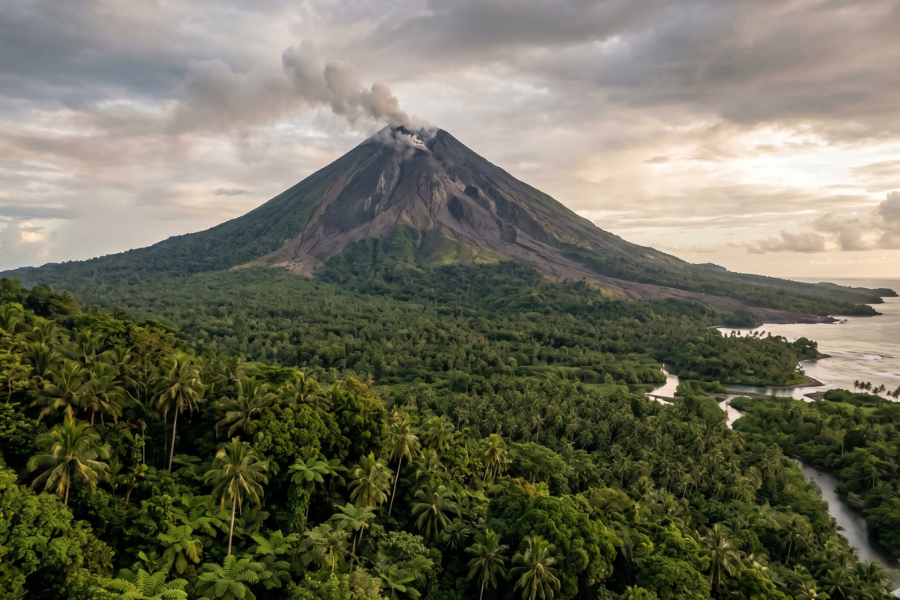
On the other end of the geological spectrum are regions with recent or highly active volcanic activity, such as Papua New Guinea (PNG), home to active peaks like Ulawun and Bagana. When these volcanoes erupt, they deposit fresh volcanic ash across the landscape. This ash is "raw" rock dust that has not yet been broken down, weathered, or filtered by time.
Consequently, the soil is highly concentrated with fresh minerals that haven't leached away into the groundwater yet.
During our routine quality assurance testing for our Spring 2026 Papua New Guinea crop, our third-party lab reports showed a microscopic trace of lead at 67.3 parts per billion (ppb).
While searching is there lead in coffee can bring up startling headlines initially, understanding the active geology of PNG reveals that this is a safe, entirely natural characteristic of a living landscape. The trees are simply absorbing raw earth minerals straight from a vibrant ecosystem. (Note: We update our lab results with every fresh harvest cycle; this historical snapshot details the specific geological footprint of our Spring 2026 importing window.)
Ancient, Weathered Soil: Colombia & Sumatra
In historic coffee-growing regions like Tolima, Colombia, or the highlands surrounding the Toba supervolcanic caldera in Sumatra, the volcanic soil is ancient. The legendary Toba eruption, for instance, occurred roughly 74,000 years ago.
Over tens of thousands of years, heavy tropical rains have beautifully "weathered" these deep layers of volcanic ash. This weathering process acts like a giant natural filter, leaching out heavier, more mobile elements like lead over millennia. What stays behind is a dense, stable bed of rich clays and sweet minerals. This natural "filter of time" is why our Sumatran coffee coffee retains the heavy body and ultra-smooth, low-acid profile that our community relies on, completely free of trace metal spikes.
Is There Lead in Coffee? Contextualizing 67.3 ppb in Whole Foods
Because efficient root systems naturally absorb elements from healthy, organic earth, trace amounts of heavy metals are incredibly common in nutrient-dense whole foods. To put our Spring 2026 PNG score of 67.3ppb into perspective, consider standard comparative data for everyday agricultural products grown in clean soil:
-
Dark Chocolate: Regularly averages between 40 to 90 ppb of lead as cacao trees naturally absorb elements from tropical soils.
-
Organic Root Vegetables: Carrots and sweet potatoes grown in clean earth routinely test between 50 to 100+ ppb due to direct, continuous contact with the soil crust.
-
Avocados and Leafy Greens: Clean, health-focused foods regularly carry trace geological elements pulled directly through their standard mineral absorption protocols.
When compared to everyday staples, a score of 67.3 ppb is a microscopic, safe, and entirely natural reflection of high-altitude volcanic farming.
Why We Choose to be a Clean Coffee Brand Tested for Purity
We don't guess about the safety of our coffee; we verify it. By balancing certified organic sourcing with rigorous testing, we ensure that whether your favorite roast comes from the ancient weathered plateaus of Sumatra or the active volcanic peaks of Papua New Guinea, your daily ritual remains clean, rewarding, and completely transparent.
CONTACT US
FAQS
SHIPPING & RETURNS
BE AN AMBASSADOR
Wholesale Inquiries
OUR STORY
All Products