FREE SHIPPING ON ORDERS OVER $60

How Does Coffee Get its Flavor Notes?
Have you ever wondered how coffee gets those fruity notes or chocolate tones given in their descriptions?
Well, coffee is made up of more than a thousand flavor compounds! Let’s start with the basics of where flavor comes from in coffee…
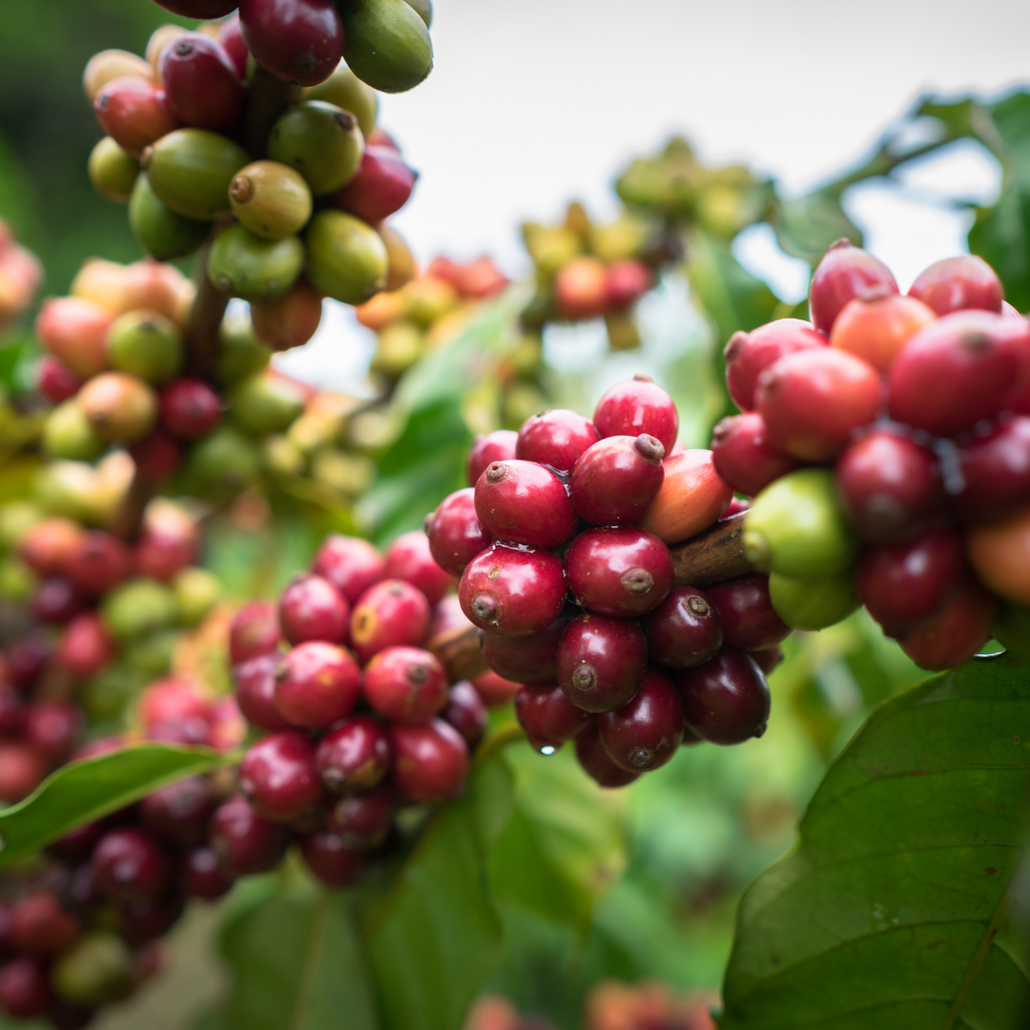
Origin
A coffee tree — and the beans it produces — are shaped by the soil’s mineral content, the surrounding vegetation, the weather, and other environmental factors. For example, the distinct sharpness of Kenyan coffee can be traced directly to the amount of phosphorus in the soil. Different regions have unique mineral compositions and diverse plants growing among the coffee trees, all of which influence flavor.
Available Nutrition
Nutrients are vital for overall coffee quality. To ensure the soil is nutrient-dense, some producers grow a diverse variety of plants and "feed the soil" either by compost or by adding other organic materials directly to the ground. Organic matter is essential, but mineral content matters just as much — hence why coffee grows so well in volcanic soil. Specifically, minerals like phosphorus, nitrogen, potassium, calcium, zinc, and boron all play a role in developing flavor.
Weather & Elevation
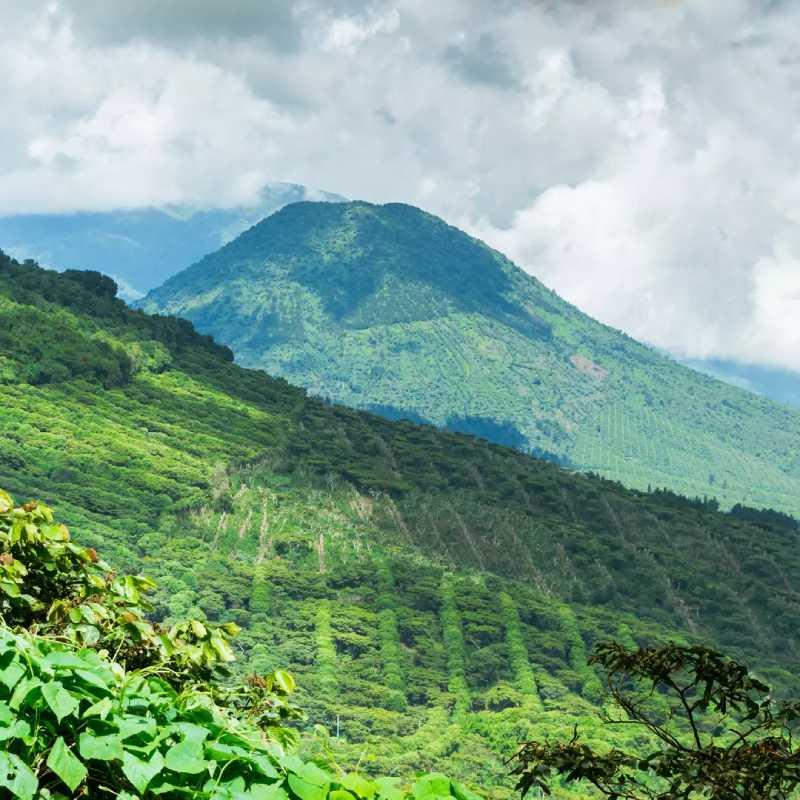
Weather and elevation are closely connected, since climate conditions shift as altitude increases. Higher elevations bring more rainfall and cooler nights. These conditions often create the ideal environment for specialty coffee: warm days followed by cool nights slow the maturation of the coffee cherry, leading to deeper flavor and greater sugar development.
Another important climate factor is steep terrain. Sloped topography improves drainage — a coffee tree loves water, but its roots shouldn’t sit in it — and it also increases sun exposure for each tree, both of which contribute to healthier plants and better-quality coffee.
Removing The Bean from The Cherry
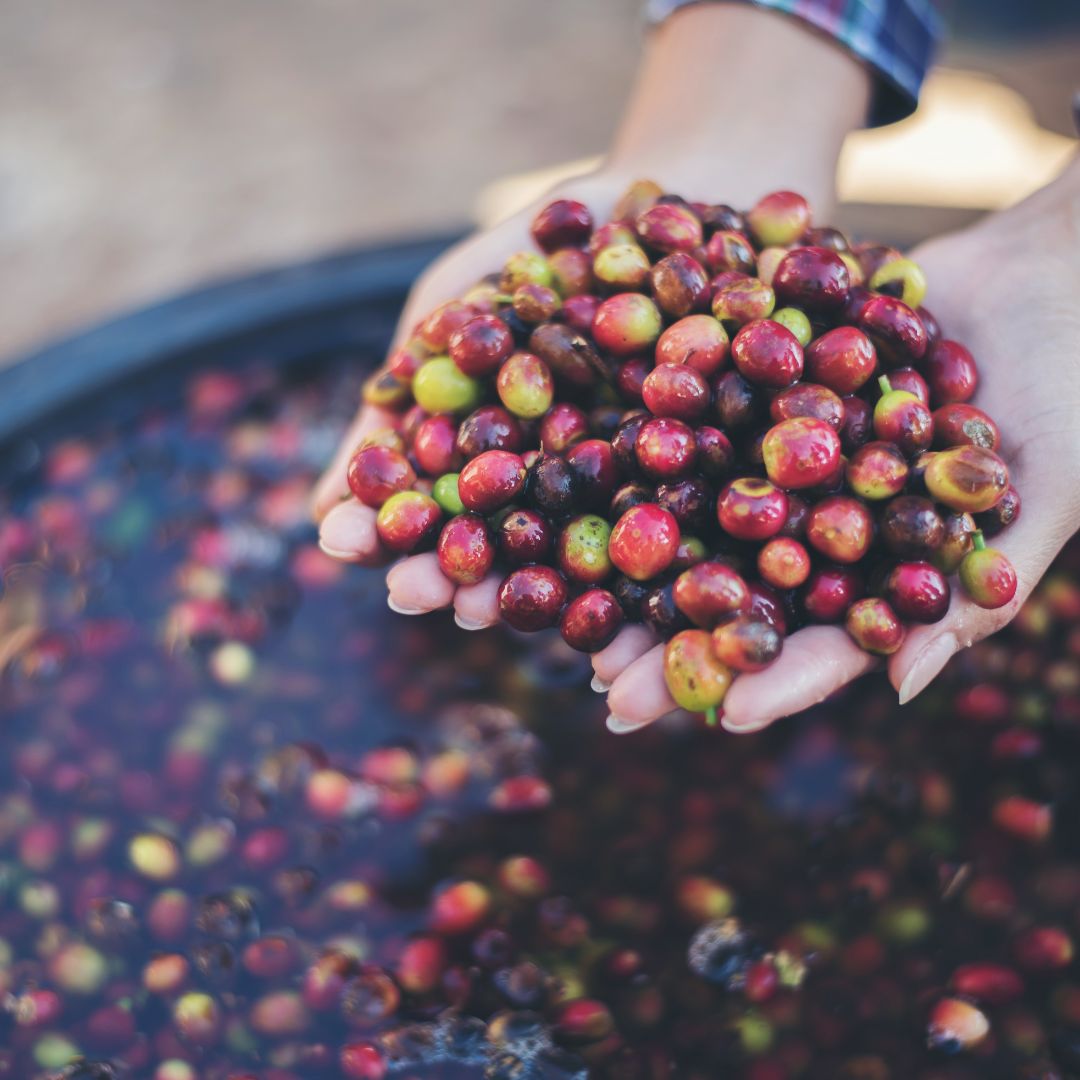
Post-harvest coffee processing is a hot topic in the coffee world right now. The way coffee is processed can drastically affect the flavor of the resulting coffee. The basic processing styles are natural, honey, washed, and wet-hulled.
Even within each of these methods, there are variations that affect the final cup. For instance, in the washed process, how long the cherry stays on the seed for, how long the coffee is fermented for (if it is), the fermentation temperature in which it was fermented, even the chemistry of the water used can affect the flavor of a coffee.
Drying/Milling
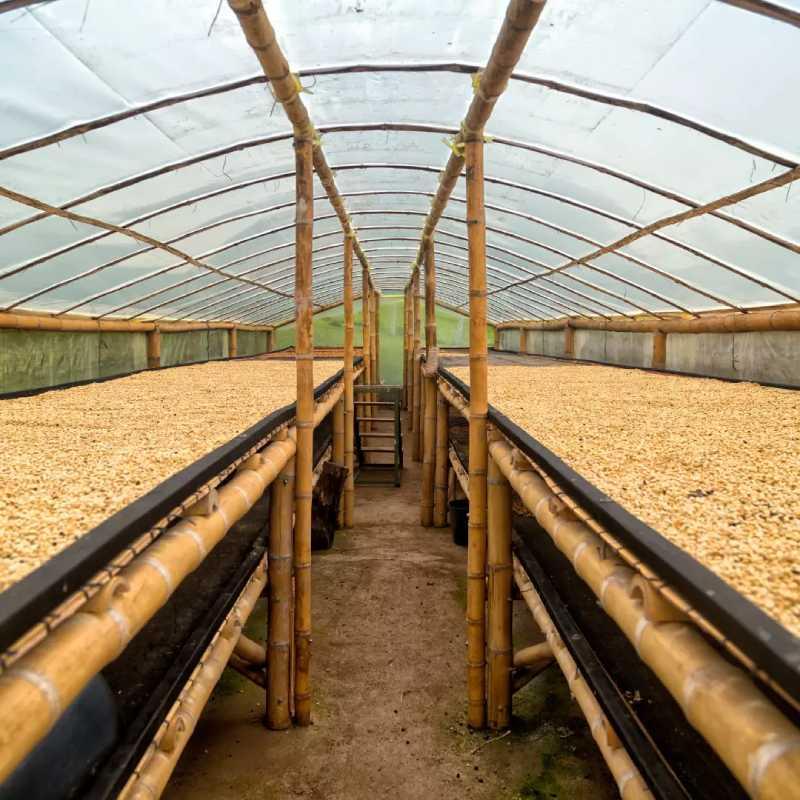
The main factors are how evenly a coffee dries and the length of time the drying process takes. Coffee can take anywhere from a few days to a month and a half depending on the processing style, the weather, and access to resources like mechanical dryers, solar dryers, or raised beds. Proper drying helps preserve sugars and ensures that the green coffee will stay full of flavor for a prolonged period of time, as opposed coffee that stales quickly.
Roasting
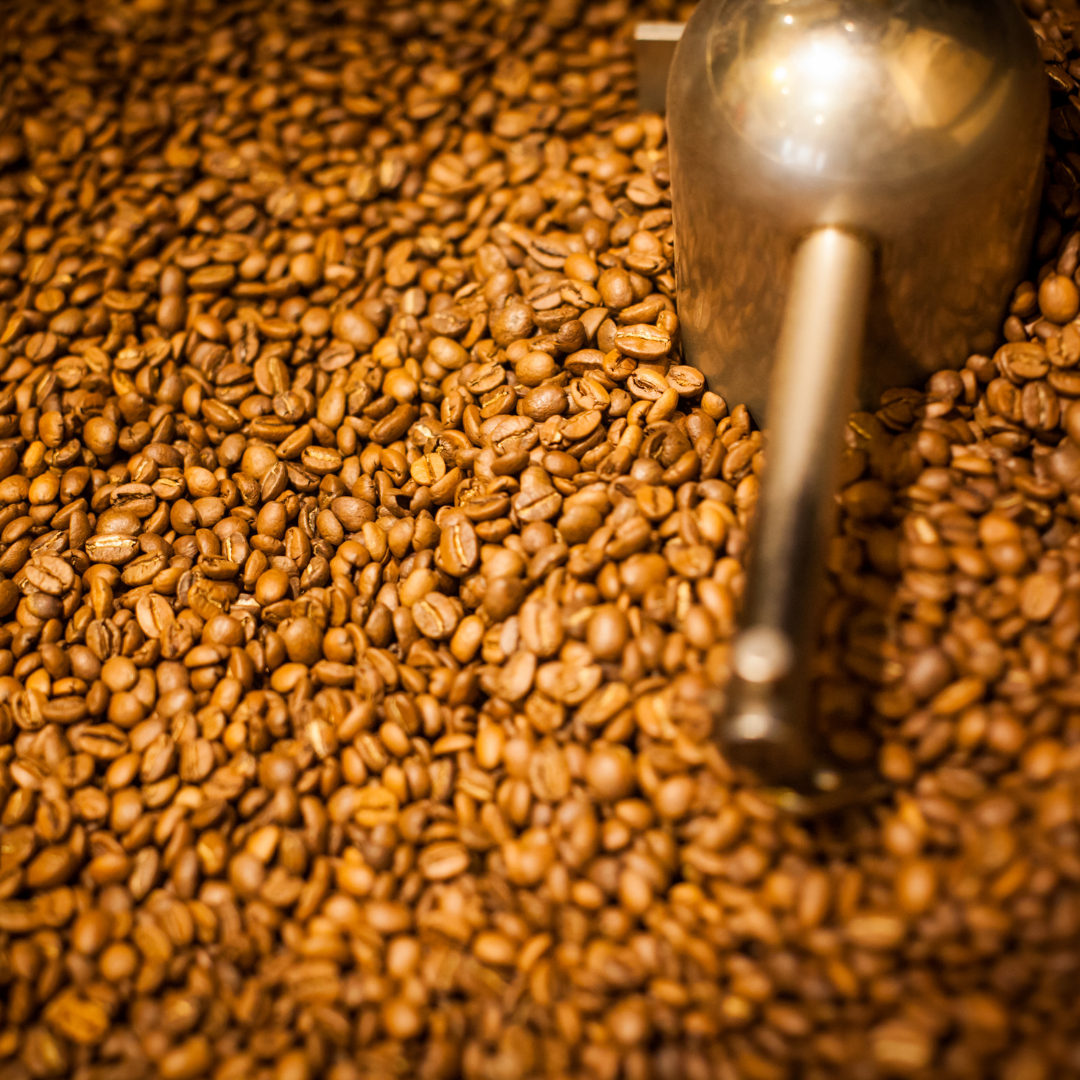
The roasting process drastically changes coffee’s flavor attributes. Coffee goes from a hay-smelling green bean to a brown bean with a wide variety of aromatic compounds and flavors. Roasting is extremely complex because hundreds of chemical reactions are happening during the process.
To put it simply these different chemical reactions are what bring out the fruity/floral notes or those chocolate/caramel tones.
This is why at Java Planet we don’t take a coffee and roast it dark for the sake of having a dark roast coffee from a certain region. We take the time to roast the coffee multiple ways and see which one brings about the best flavor.

Interested a Variety of Coffees?
Start with our Coffee Sampler Set. Six coffees from some of the world’s top-growing regions. With a range of medium to dark roasts, including both single-origins and blends — you’ll experience the full spectrum of flavor in one curated collection.