FREE SHIPPING ON ORDERS OVER $60




Top 2% Organic Beans

Ethical & Sustainable

Happiness Guarantee

Subscribe & Save
Arabica vs. Robusta: Which Coffee Causes Heartburn?
If you love coffee but deal with heartburn, acid reflux, or GERD symptoms after your morning cup, you're definitely not alone. It’s a common frustration—and one that leads many to give up coffee entirely or switch to tea in hopes of avoiding discomfort.
But here's the thing: the issue might not be coffee itself. It might be the type of coffee bean you’re drinking.
Most standard grocery store coffees contain a mix that includes Robusta beans. These are inexpensive and easy to grow, but they’re also known for triggering digestive upset in sensitive individuals. Once you understand the science behind Chlorogenic Acids (CGAs) and how organic farming methods impact your gut, you might find you can enjoy your daily brew—without the burn.
Let’s break it down.
Arabica vs. Robusta: What’s the Difference?
Before diving into the chemistry, it helps to understand the two primary species of coffee:
-
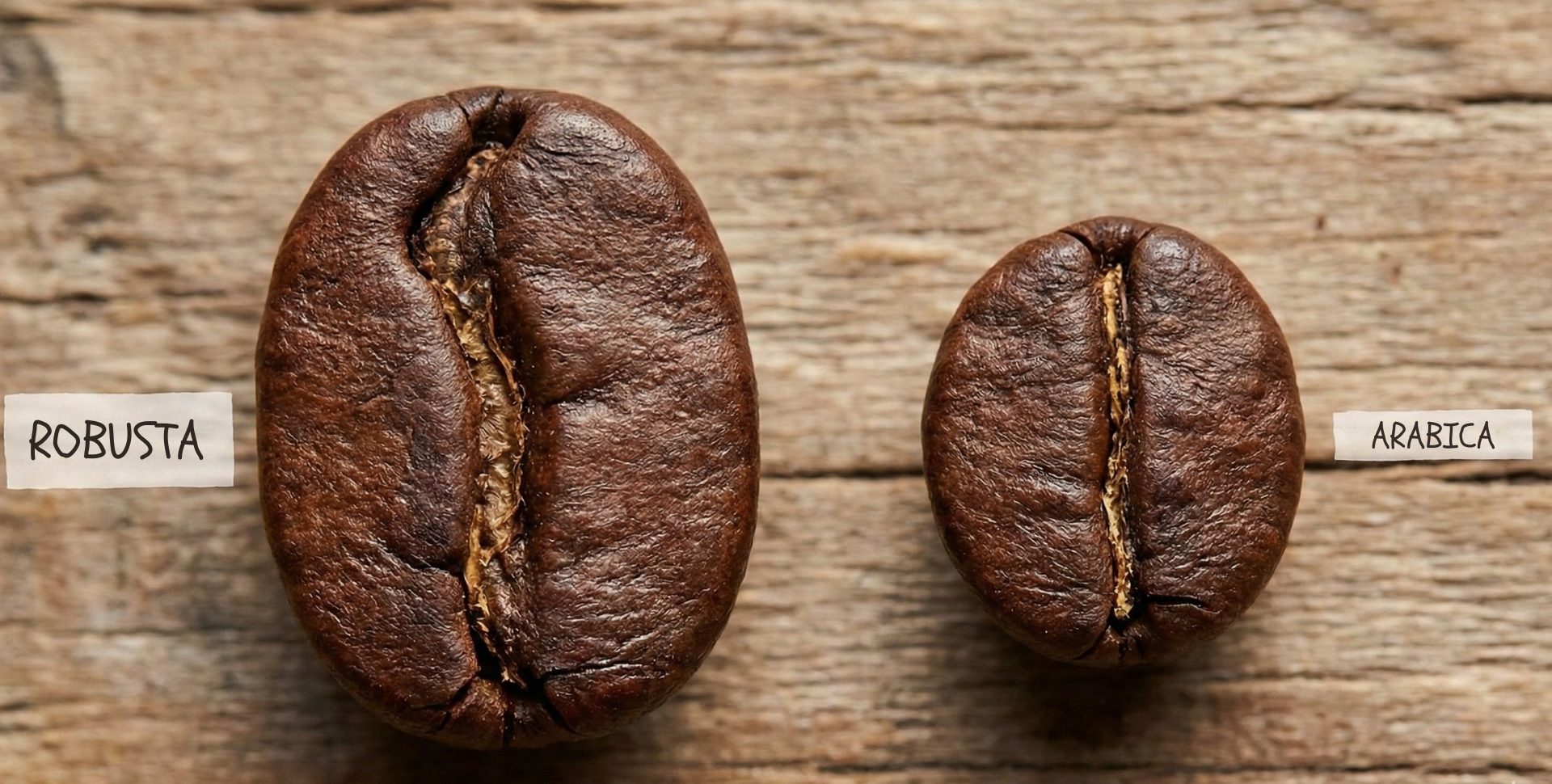
Coffea Arabica (Arabica): Grown at higher elevations, Arabica beans are more delicate and complex in flavor. They naturally contain less caffeine and lower acidity. These are often considered the “premium” choice.
-
Coffea Canephora (Robusta): These beans come from hardier plants grown at lower elevations. They have a stronger, more bitter taste and almost double the caffeine content. They're also cheaper to cultivate, which is why they're widely used in commercial blends.
The flavor differences are clear—but what really matters for your stomach is the chemical composition.
The Hidden Culprit: Chlorogenic Acids (CGAs)
When people talk about coffee’s acidity, they often assume it’s just about pH. But the bigger issue is the chlorogenic acids (CGAs)—naturally occurring compounds that contribute to coffee’s bitterness and antioxidant properties. In moderation, CGAs aren’t harmful. In fact, they can be beneficial. But in higher concentrations, they can irritate the stomach lining, especially if your gut is already sensitive.
Here’s the key difference:
-
Arabica beans typically contain 5.5% to 8% CGAs.
-
Robusta beans can contain 7% to 10% CGAs.
If you're drinking a typical store-brand blend—especially one that's not organic—there’s a good chance it's heavy on Robusta beans, which means higher CGA levels. For many people, that’s where stomach issues begin.
The Caffeine Factor: A Double Hit
It’s not just the CGAs that trigger reflux. Caffeine plays a major role too.
Caffeine not only stimulates the production of stomach acid—it also relaxes the lower esophageal sphincter (LES), the muscle that keeps stomach contents from rising up into the esophagus. When that valve loosens, acid can creep up, leading to that burning, uncomfortable sensation.
Since Robusta beans contain nearly twice the caffeine of Arabica, drinking Robusta-heavy coffee is like a double whammy for your digestive system:
-
More CGAs to irritate the stomach.
-
More caffeine to relax the LES and invite acid reflux.
Why Organic Coffee Matters: Glyphosate & Your Gut
Even if you’ve switched to 100% Arabica, you might still experience heartburn—especially if your coffee isn’t organic.
Here’s why that matters.
Conventional (non-organic) coffee is one of the most chemically treated crops globally. It's often sprayed with synthetic herbicides, pesticides, and fungicides—including glyphosate, the active ingredient in Roundup.
Glyphosate is classified as an herbicide, but it's also patented as an antibiotic. While it doesn’t affect human cells directly, it does impact your gut microbiome. That’s because the good bacteria in your gut rely on a pathway (called the shikimate pathway) that glyphosate disrupts.
So, when you're regularly consuming traces of glyphosate through non-organic coffee, you may be slowly altering your gut health—leading to dysbiosis (a bacterial imbalance), increased inflammation, and a gut that's more reactive to acidity.
👉 Want to dive deeper into how pesticide residues like glyphosate impact your digestive health and microbiome? Don’t miss our guide: The Coffee Paradox: Is Your Morning Brew Feeding or Killing Your Gut?
What to Look for on the Bag
You don’t necessarily need to give up coffee. But if you’re dealing with digestive discomfort, here’s what to prioritize when choosing beans:
-
100% Arabica: This ensures you're avoiding the high CGA and caffeine levels of Robusta beans.
-
USDA Organic: Organic certification helps you avoid glyphosate and other harmful chemicals that could disrupt your gut microbiome.
-
Dark Roast: Longer roasting times break down chlorogenic acids. A dark roast is generally gentler on your stomach than lighter roasts.
At Java Planet, We Take Gut Health Seriously
We created Java Planet with people like you in mind—those who love coffee but don’t want it to come with a side of stomach pain. Our beans are 100% organic Arabica, grown at high altitudes and roasted with care to preserve flavor while minimizing harsh acidity.
The result? A smooth, low-acid coffee that’s easy on your gut—and still full of bold, satisfying flavor.
FAQ: Coffee and Acid Reflux
Does Robusta coffee have more acid than Arabica? Yes. Robusta beans contain higher levels of chlorogenic acids (CGA), which can irritate the stomach lining and increase the risk of heartburn.
How does glyphosate affect gut health? Glyphosate disrupts the microbiome by damaging beneficial gut bacteria. Since your gut plays a key role in inflammation and digestion, exposure through non-organic coffee may worsen acid sensitivity.
Is caffeine really the problem? It’s part of it. Caffeine relaxes the LES (the muscle keeping stomach acid down), making reflux more likely—especially when combined with CGAs.
Is dark roast coffee better for reflux? Generally, yes. Darker roasts have fewer CGAs and are less likely to trigger acid production, making them a safer choice for sensitive stomachs.


© Copyright 2025 Java Planet Organic Coffee Roasters. All rights reserved.