FREE SHIPPING ON ORDERS OVER $60




Top 2% Organic Beans

Ethical & Sustainable

Happiness Guarantee

Subscribe & Save
Mold in Coffee? What You Need to Know (and How to Avoid It)
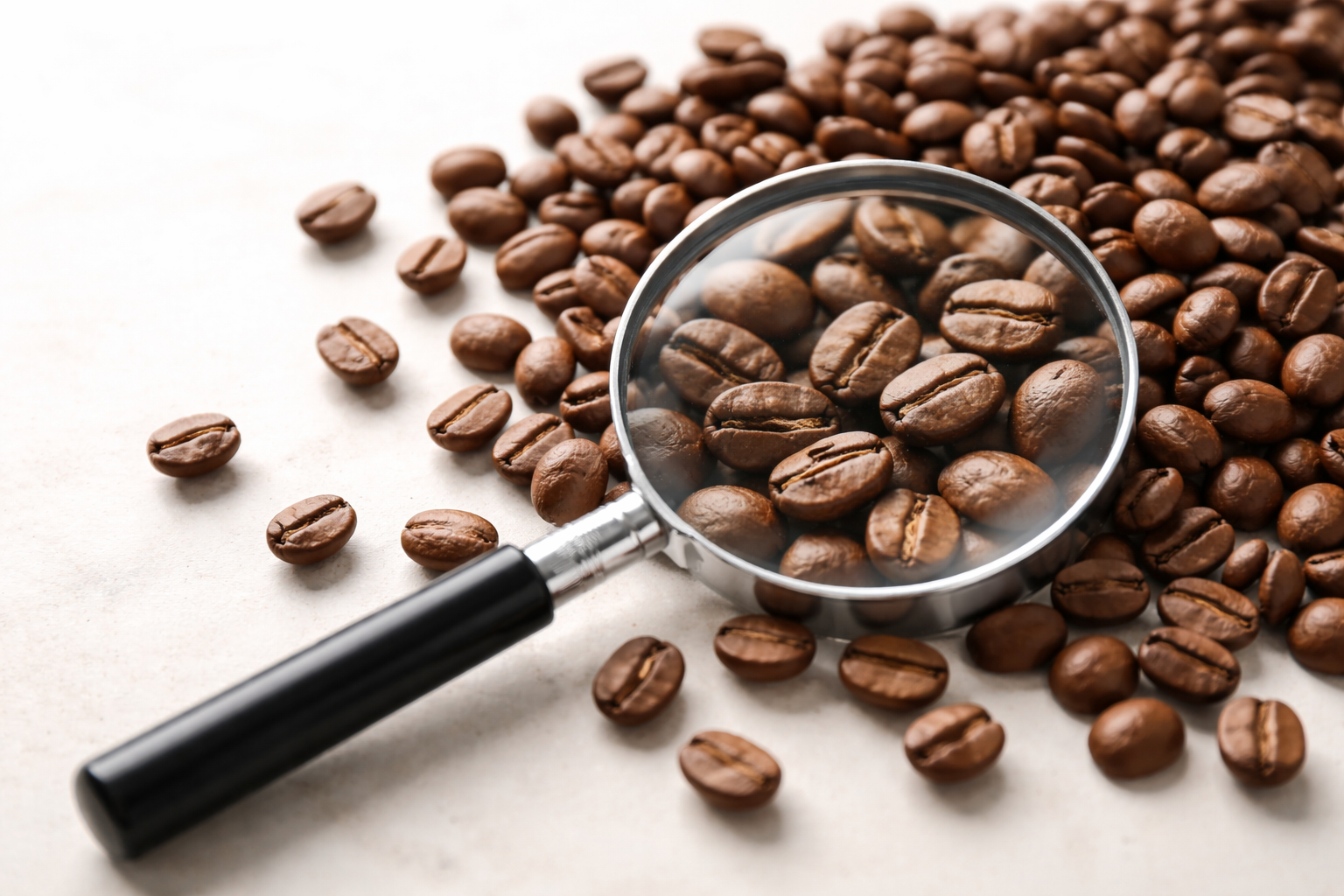
You love coffee — but it might not love you back.
Ever feel foggy, bloated, or jittery after your morning brew… even when it’s organic or single origin? The problem might not be the caffeine. It could be mold.
Yes, really. Coffee is one of the most mold-prone foods — and many brands never test for it. In this post, we’ll uncover:
-
What causes mold in coffee
-
The health risks of mycotoxins
-
Which coffee brands are mold-free
-
And how to sip safer, starting today
What Causes Mold in Coffee?
Mold in coffee typically starts before it ever reaches your cup — often during poor storage or shipping conditions.
Here’s how it happens:
-
Beans are grown in tropical climates → high humidity
-
If not dried and stored properly → mold spores grow
-
Mold can survive roasting → producing mycotoxins
-
Mycotoxins make it into your morning brew
Mycotoxins are toxic compounds produced by mold, including ochratoxin A and aflatoxin B1 — both of which have been linked to fatigue, immune issues, and even organ damage in high levels.
Is There Mold in Coffee? (Yes — If It’s Not Tested)
Not all coffee has mold. But most commercial, mass-produced brands don’t test for it — and the U.S. has no legal limit for mold toxins in coffee.
This means:
-
You could be drinking trace amounts daily
-
Sensitive individuals may experience brain fog, bloating, jitters, or skin issues
-
It’s nearly impossible to detect without third-party lab testing
Symptoms of Mold or Mycotoxin Exposure
Wondering if moldy coffee might be affecting you?
Common symptoms include:
-
Brain fog or difficulty concentrating
-
Digestive issues (bloating, gas, reflux)
-
Fatigue or low energy after drinking coffee
-
Headaches or skin reactions
-
Mood swings or anxiety
These are often misattributed to caffeine — but for some, it's the hidden toxins, not the buzz.
How to Avoid Mold in Coffee: 5 Simple Steps
Good news: You don’t have to give up coffee. Just choose the right kind.
1. Choose Certified Organic: Organic beans are grown without synthetic chemicals that can compromise soil health or increase mold risk.
2. Look for Third-Party Tested Coffee: Brands like Java Planet go the extra mile to test for mold, mycotoxins, and heavy metals.
3. Stick with Whole Beans: Pre-ground coffee has a higher surface area — meaning more chance for mold growth, especially after opening.
4. Store Beans Properly: Keep them in an airtight container, away from heat and humidity.
5. Avoid Cheap, Mass-Produced Coffee: Large brands rarely prioritize purity. Small-batch, ethically sourced roasts are safer — and better tasting.
Why Java Planet Is a Mold-Free Coffee Brand You Can Trust
Java Planet coffees are:
-
Certified Organic
-
Third-party tested for mold and mycotoxins
-
Low acid (easier on your gut)
-
Free of artificial flavors or additives
-
Fresh-roasted in small batches for max integrity
Our Colombia and Costa Rica single origins are top choices for mold-sensitive coffee lovers — smooth, clean, and satisfying from the first sip to the last drop.


© Copyright 2025 Java Planet Organic Coffee Roasters. All rights reserved.