
Free shipping on orders over $60! Shop Now



Top 2% Organic Beans

Ethical & Sustainable

Happiness Guarantee

Subscribe & Save
What’s Really in Your Favorite Coffee Brands (And Why You Should Care)
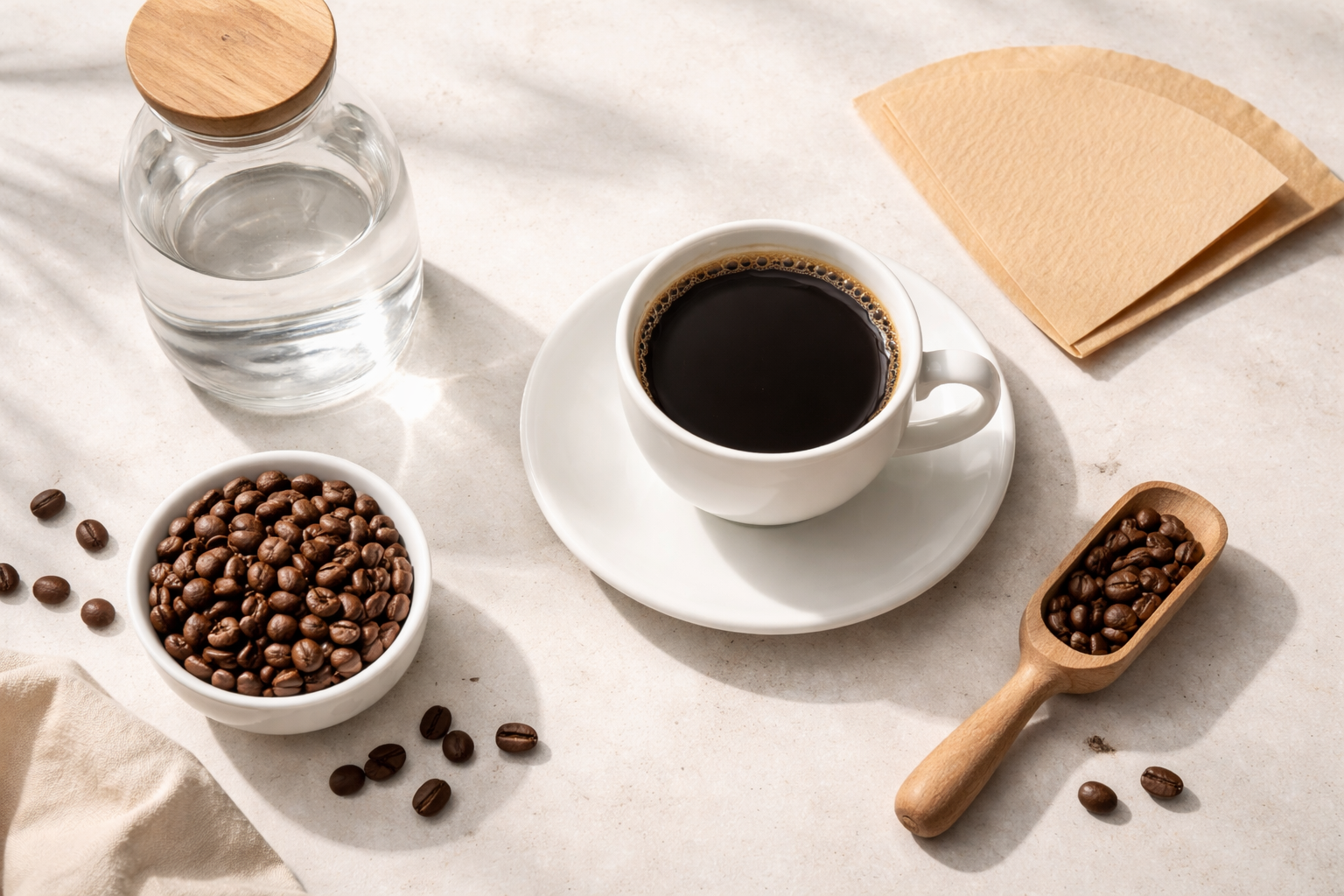
You trust your coffee, right?
It’s how you start your day — your ritual, your reset. But what if we told you that many of the most popular coffee brands contain more than just beans?
We’re talking about hidden additives, mold, low-grade blends, and roasting techniques designed to mask poor quality. And once you see what’s really inside, you may never look at your morning cup the same way again.
In this guide, we’ll break down:
-
What’s actually in many mainstream coffee brands
-
Why “popular” doesn’t mean “pure”
-
How your coffee could be affecting your health
-
And how to choose a brew that’s clean, delicious, and crafted with integrity
Popular Coffee Brands & High-Quality Coffee
What are the most popular coffee brands? If you guessed names like Starbucks, Dunkin’, Folgers, and Keurig — you’re right.
Big brands dominate the shelf and the drive thru. They’re convenient. Familiar. Everywhere.
But here’s the thing most people miss:
Popular coffee is optimized for mass production — not for purity, taste, or health.
To meet demand at scale, most large brands:
-
Use low-grade beans blended from multiple sources
-
Over-roast to cover up flaws and inconsistencies
-
Prioritize profit margins over long-term quality
And that’s just the start.
What’s Actually in Your Coffee?
Let’s look past the label and into the bag.
Here’s what’s commonly found in mass-market coffee — but not always disclosed on the packaging:
1. Additives and Artificial Flavorings
Some “flavored” coffees aren’t naturally flavored — they’re coated in synthetic oils or chemicals that simulate taste. That vanilla hazelnut caramel swirl? Often not from vanilla, hazelnut, or caramel.
2. Pesticides and Chemicals in Non-Organic Coffee
Most conventional coffee is grown in countries where pesticide use is poorly regulated — and in some cases, virtually unchecked. That means many popular brands could source beans that have been treated with chemicals banned in the U.S. and EU, including fungicides, insecticides, and herbicides. Because coffee beans aren’t peeled or washed after roasting, those residues can stay with your brew — and into your body.
3. Mold and Mycotoxins
This one’s big. Mold spores and their toxic byproducts (called mycotoxins) can grow during improper storage, shipping, or processing — and they’re found in many low-grade coffees.
Even low levels of mycotoxins have been linked to fatigue, brain fog, and gut issues.
Why Mold-Free, Organic Coffee Matters
If you care about what goes into your body, this is where things change.
High-quality, mold-free coffee:
-
Comes from clean farms — not mass-scale warehouses
-
Is third-party tested to ensure no hidden toxins
-
Offers better taste without bitterness or weird aftertastes
-
Is often lower in acid and easier on sensitive stomachs
And if it’s also certified organic and bird-friendly (like ours), you’re not just helping yourself — you’re helping the planet, too.
The best coffee doesn’t just taste good. It feels good.
How to Choose a Coffee Brand You Can Trust
Use this quick checklist before you buy your next bag:
What to Look For : What to Avoid:
Organic & shade grown Non-certified or “natural”
Mold-free / mycotoxin-tested No mention of quality testing
Low-acid / smooth flavor Bitter or “burnt” taste
Single-origin transparency Mass-blended “global” beans
Small-batch roasted Factory-batch production
Bird-friendly certified No environmental standards
If your favorite brand can’t check most of these boxes, it’s time to upgrade your ritual.
Want to Try Coffee That’s Actually Clean? Start Here.
At Java Planet, we roast coffee for people who care — about their health, their flavor, and their impact.
-
All our coffee is certified organic
-
We’re proudly Smithsonian Bird Friendly® certified
-
Our beans are third-party tested for mold and mycotoxins
-
We roast in small batches for peak freshness and taste
-
And we NEVER use artificial flavors or chemical treatments
What Our Customers Say
“Once I tried mold-free coffee, I couldn’t go back. Java Planet is now my daily go-to.”
“I had no idea my usual coffee had so many additives. This actually tastes clean.”
“Finally, a coffee that doesn’t upset my stomach — and tastes amazing.”
Final Sip
You don’t have to settle for mystery beans, hidden additives, or burnt bitterness.
Great coffee should be clean, delicious, and something you feel good about drinking — every single day. And once you taste the difference, you’ll never go back.
FAQ's: People Also Ask
-
Starbucks, Dunkin', Peet's, Keurig, and Folgers are among the most widely sold brands — but popularity doesn’t equal purity.


© Copyright 2025 Java Planet Organic Coffee Roasters. All rights reserved.